
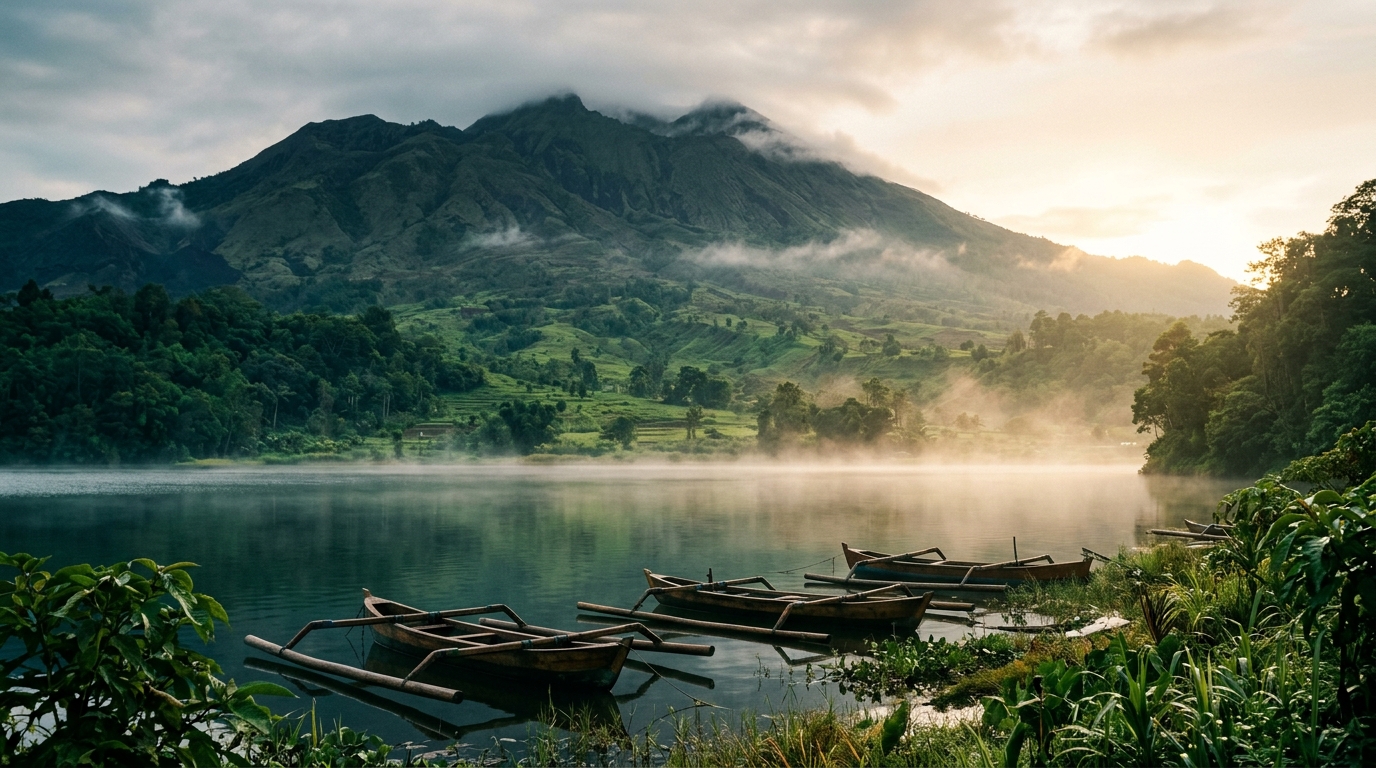
Indonesia’s coffee sector is fragmented across thousands of farms, cooperatives, collectors, processors and exporters. The diversity creates exceptional origin potential but also makes traceability and lot consistency important commercial capabilities.
Gayo, Flores Bajawa and Toraja demonstrate how origin names can be connected to specific highland landscapes. Indonesia Travel identifies Gayo Arabica as a major Indonesian coffee and describes Bajawa as a traditional highland origin. Other origin profiles include Mandheling, Java and Bali Kintamani, each with distinct growing environments and production histories.
For exporters, the post-harvest chain is where value can be won or lost. Harvest timing, cherry selection, fermentation or wet processing, drying, milling, moisture management, grading and storage all affect quality. Export documentation then adds another layer: contracts, certificates, shipping documents and destination-country requirements must align with the physical lot.
From origin to buyer
A buyer should be able to ask: which farm or cooperative produced this lot, where was it processed, how was it graded, how was it stored, and how was it segregated from other lots? A strong exporter can answer these questions consistently and provide supporting records.
Building a direct-origin model
Direct relationships can improve transparency, but they require field capacity. Buyers need people who can visit farms, verify volumes, understand local harvest calendars, assess processing infrastructure and communicate quality expectations. That is as much a local operating problem as a trading problem.