
Jakarta’s historic core grew from Sunda Kelapa and the trading city of Batavia. Indonesia Travel documents the transformation of the old port and the surviving heritage landscape of Kota Tua, while UNESCO’s tentative listing describes the historic city as a major colonial trading center with multicultural influences.
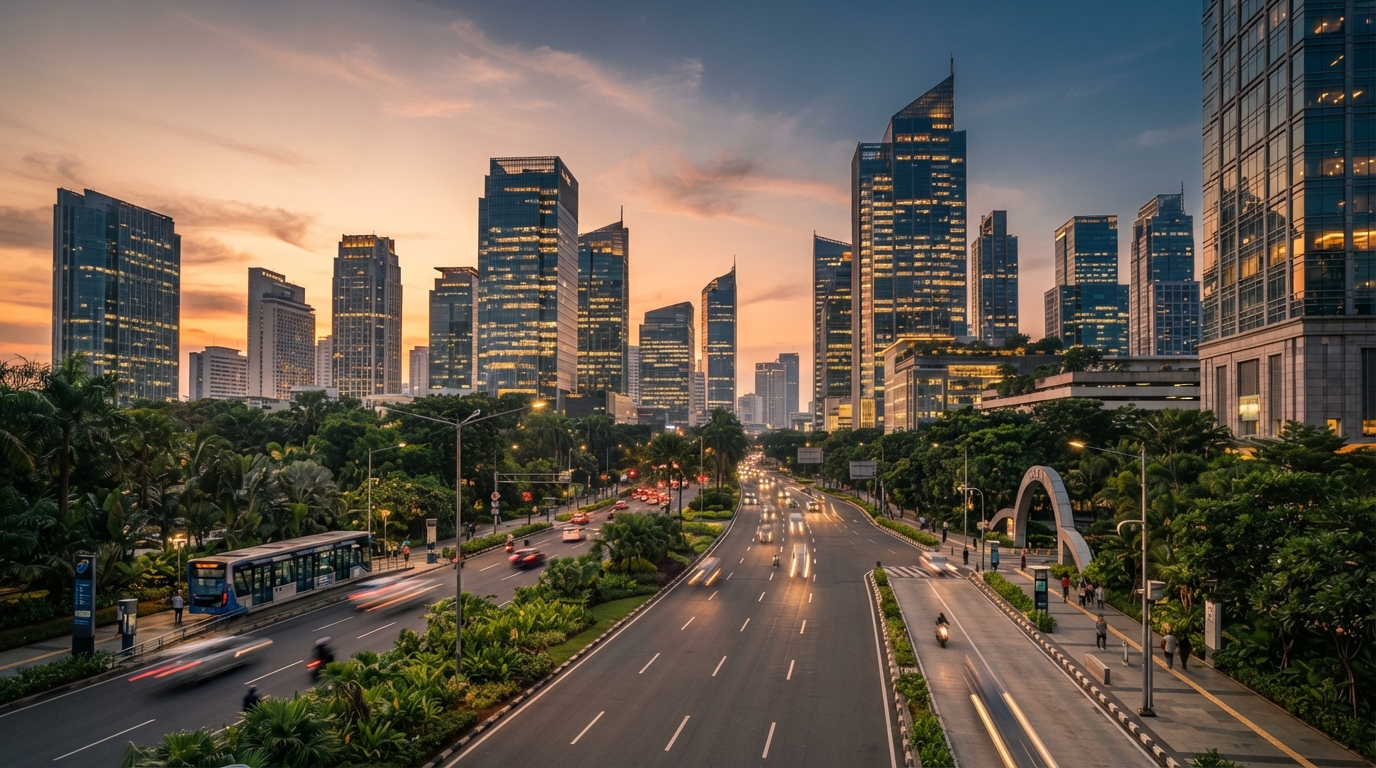
The modern city is equally important. SCBD, Kuningan and other commercial districts host corporate Indonesia, while independent galleries, restaurants, markets and creative studios occupy older and newer neighborhoods. The visitor who crosses these layers begins to understand Jakarta as a city of overlapping economies rather than a single business district.
For a short visit, geography is the main planning constraint. Cluster activities by area, leave time for traffic and use local knowledge to adjust routes. Jakarta is often more rewarding when the itinerary is flexible enough to follow what is actually happening in the neighborhood that day.
A city in layers
Start with the port and old city, move into contemporary commerce and finish with food or art. This sequence makes the transition from trading port to capital city visible instead of abstract.