
Yogyakarta is often introduced through a list—Keraton, Malioboro, Borobudur, batik, gamelan. But the city’s character is better understood as a network of living institutions. Students, artists, palace traditions, neighborhood workshops, markets and religious sites coexist within a relatively compact urban landscape, creating a rhythm that feels different from Indonesia’s larger commercial centers.
The city’s historical identity is also unusually spatial. Indonesia Travel describes a cultural axis connecting Mount Merapi, the Yogyakarta Palace and the southern sea. UNESCO’s inscription of the Cosmological Axis of Yogyakarta and its Historic Landmarks in 2023 reinforces the importance of the city’s historic urban structure and its cultural meaning. The landscape is not merely scenery; it is part of a long cultural vocabulary.
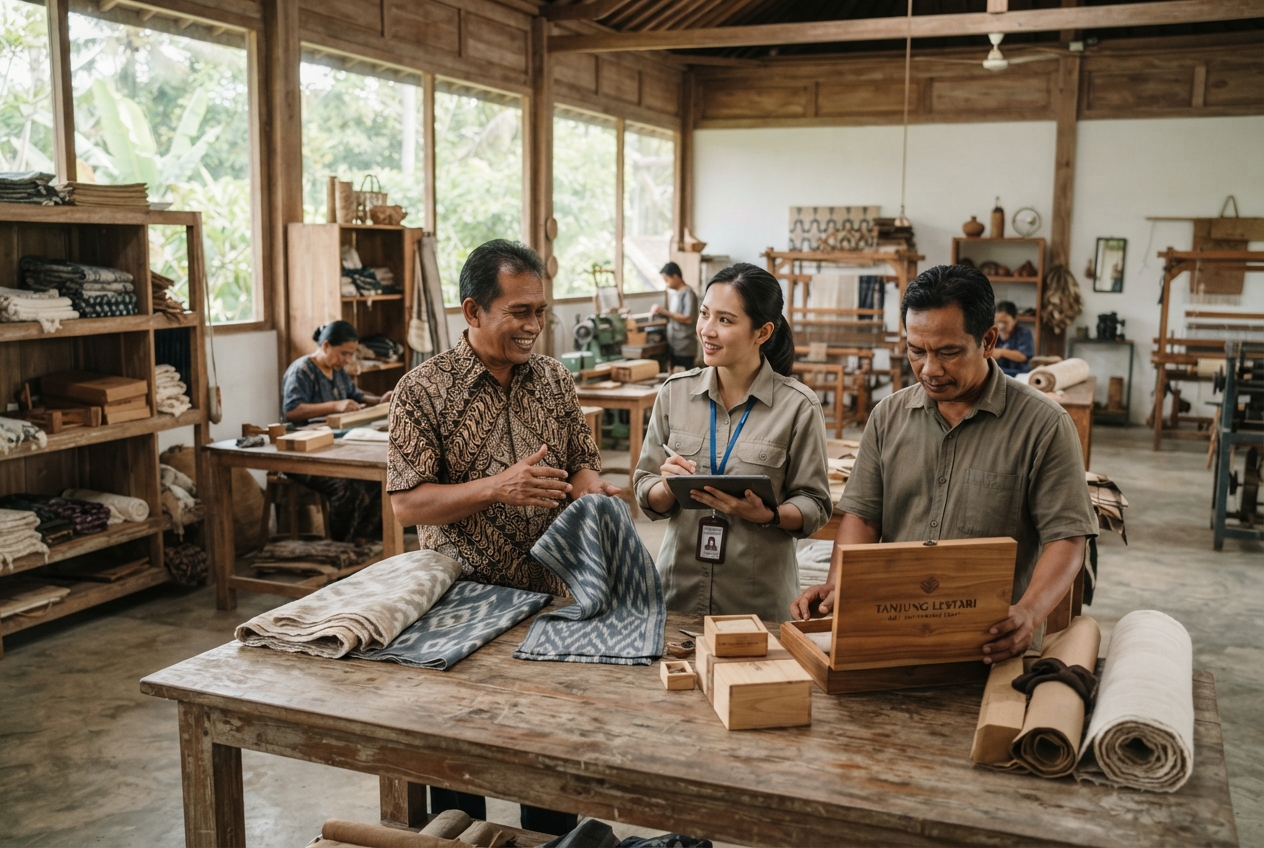
Batik provides another window. Workshops around the city reveal a continuum between domestic production, court traditions, contemporary design and commercial craft. A good visit asks less “what can I buy?” and more “how was this motif taught, who decides when a pattern is finished, and how does the workshop keep its knowledge alive?”
Beyond the headline landmarks
Borobudur is extraordinary, but Yogyakarta’s value is not exhausted by day trips to the monument. Spend time in neighborhoods, small studios, food stalls and performance spaces. The city becomes more legible when the visitor moves at walking speed and allows conversations to shape the route.
That slower pace also explains why Yogyakarta works well for repeat visits. One trip can focus on royal history; another on craft; another on food and contemporary creative communities. Each reveals a different layer without requiring a completely new destination.
A more respectful visit
Dress appropriately for sacred and palace spaces, ask before photographing people or rituals, and treat artisans as knowledge holders rather than props. Where possible, book workshops directly with practitioners or trusted local operators so the value of the visit stays connected to the people maintaining the tradition.